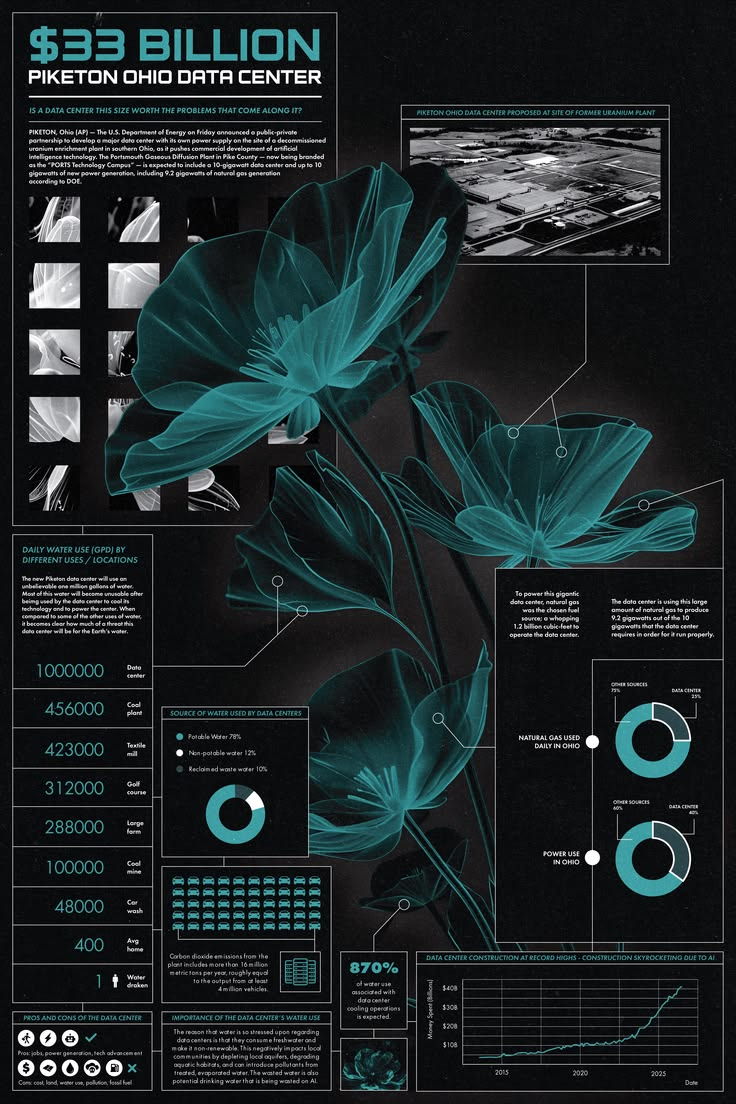
Radial bloom data-visualisation of capital flows
Atlas / Chapter 08 / Capital Coordination
08 · Capital Coordination

From deal flow to systems flow

Capital does not only need to be raised — it needs to understand where it is most needed and most catalytic. The point is to help capital support systemic change without becoming extractive or fragmented.

Plate 08.0
Capital map
Sources & flows
08.1 · The vehicles

Capital that reads from the same map

When capital reads from the same map as everyone else, allocators can see which parts of a system are starved, which are crowded, and where a small, well-placed amount moves the whole.

That is the shift this chapter describes: from isolated deal flow to systems flow — from private opportunity discovery to shared intelligence, from reactive allocation to transition strategy.

Separation of functions

Neutral coordination is kept clearly separate from regulated financial services, advisory and platform services — with disclosure and governance. Financial vehicles sit under this layer; they do not dominate the front door.

Core components
01Providence Asset Management — ecosystem vehicle support & structuring.
02BetterWorld Community Bank — community-aligned financial infrastructure.
03Ecosystem vehicles — stewarded, pooled & blended structures.
04Blended & philanthropic finance — catalytic capital, guarantees, donor coordination.
05Portfolio intelligence — mandate mapping & capital-gap analysis.
06Capital-readiness support — diligence pathways for projects.
08.2 · Field intelligence

The systems-change capital map

A capital map sorts money by what it is and what it is looking for — philanthropic, impact, blended and community finance — and shows where the gaps and bottlenecks are.

Philanthropic & grant capital
Impact investment capital
Blended finance
Community finance

Illustrative flow by source — relative coordination through shared pathways, not absolute volume.

Capital coordinated through shared pathways
2024
2025
2026
2027
Capital at scale

Capital that moves with the system, not against it.

08.3 · Trust & Verification

Coordination without trust becomes noise

The goal is not a central authority deciding who is "good" or "bad". It is better visibility, stronger context and clearer signals — so the ecosystem can coordinate faster without becoming naïve.

01

Project credibility

  • Who is behind it
  • What has been built
  • What evidence exists
  • What stage it is in
  • What support is needed
02

Organisation credibility

  • Legal structure
  • Governance quality
  • Track record
  • Ecosystem reputation
  • Mission alignment
03

Capital readiness

  • Ready for grants?
  • Ready for investment?
  • Suited to partnership?
  • What risks to understand?
04

Systems relevance

  • Symptoms or root causes?
  • Shifts incentives & ownership?
  • Potential to scale or replicate?
  • Creates autonomy, not dependency?
05

Risk & integrity

  • Conflicts of interest
  • Overstated claims
  • Execution capacity
  • Weak governance
  • Narrative vs reality
06

Why it matters

Good projects fail because they are invisible; weak projects win attention through storytelling. The trust layer reduces that friction.

08.4 · Signals, not verdicts

Credibility labels

Visible labels give allocators context at a glance — a signal of where a project sits, never a final verdict on its worth.

Emerging Early Verified Ecosystem Referenced Diligence Ready Capital Ready Field Validated Requires Further Review
The future of wealth allocation

From deal flow to systems flow. From isolated investments to ecosystem portfolios. From reactive allocation to transition strategy — and from capital protection to civilisation-scale stewardship.

Keep reading

Adjacent chapters