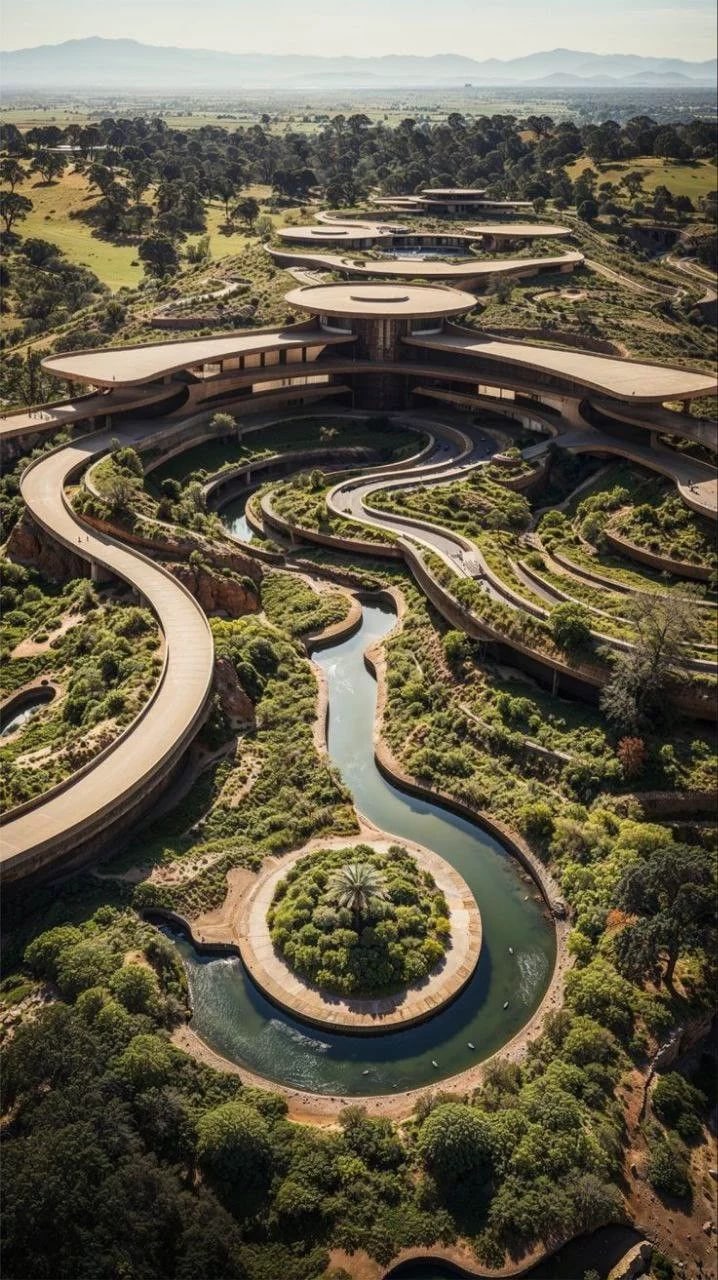
Systems change cannot happen only through screens. For convergence to happen people need trust — and trust is built through shared time, shared space, shared meals and shared work. Physical hubs are not secondary to the Coordination Layer; they are one of its foundations.

Digital infrastructure can map, coordinate, remember, match and accelerate — but it cannot replace the human conditions required for deep trust, shared care and long-term commitment. A coordination layer without physical spaces risks becoming another abstract network: intelligent, well-intentioned, but emotionally weak and socially thin.
For convergence to happen, people need trust. For trust to deepen, people need care. For care to emerge, people need shared time, shared space, shared meals, shared work, shared silence, shared pressure, shared joy and shared responsibility. Physical hubs create the conditions digital systems cannot easily generate.
These hubs are not coworking spaces, event venues or retreat centers with a mission attached. They are physical coordination infrastructure — converting fragmented actors into trusted communities, trusted communities into aligned projects, and aligned projects into long-term systemic action.
Without hubs, systems change stays abstract. With hubs, the ecosystem gains a body.
The Coordination Layer develops and connects three complementary kinds of hub. They are not separate real-estate concepts — together they form a single physical coordination system, each serving a different mode of convergence.
Urban, multi-purpose spaces for daily coordination, culture and conviviality — frequent access and public interface.
Daily life → 02Lower-cost living and shared life close to the city — community continuity and longer-term collaboration.
Shared life → 03Retreat, depth and distance for the work that cannot happen in shallow attention — trust accelerated.
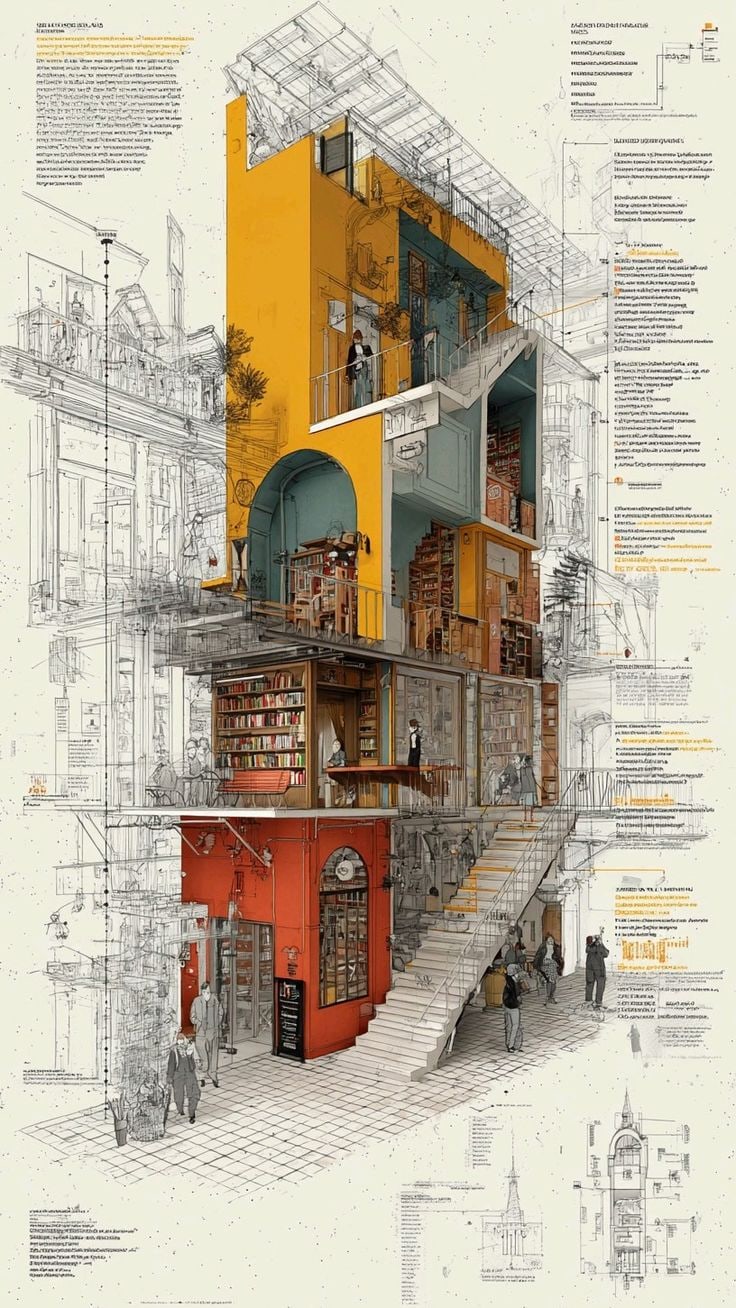
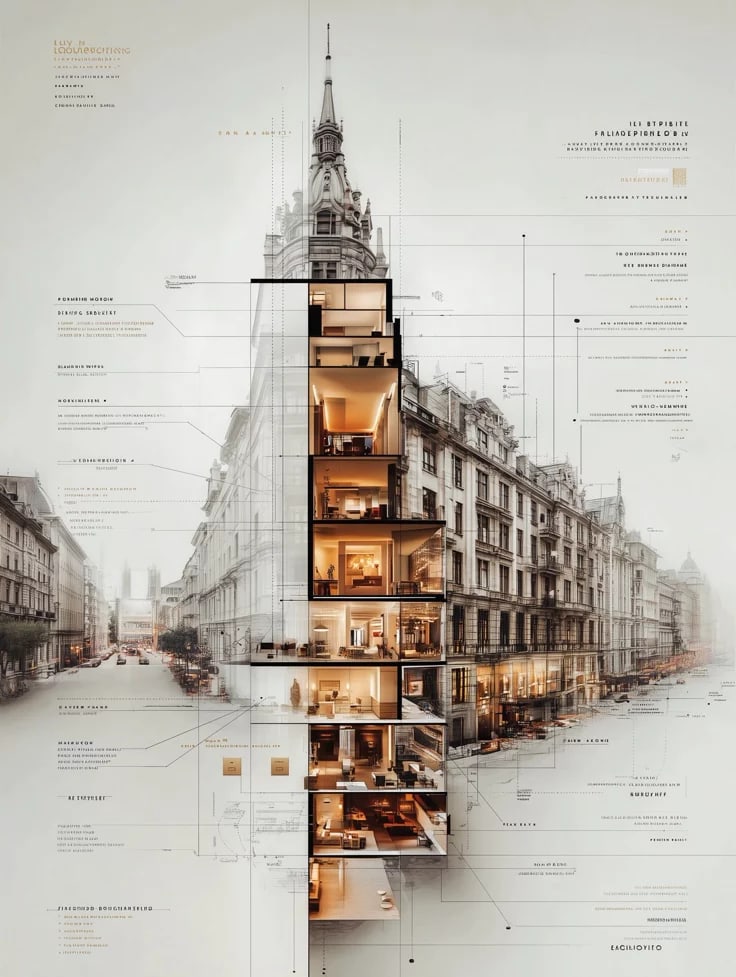
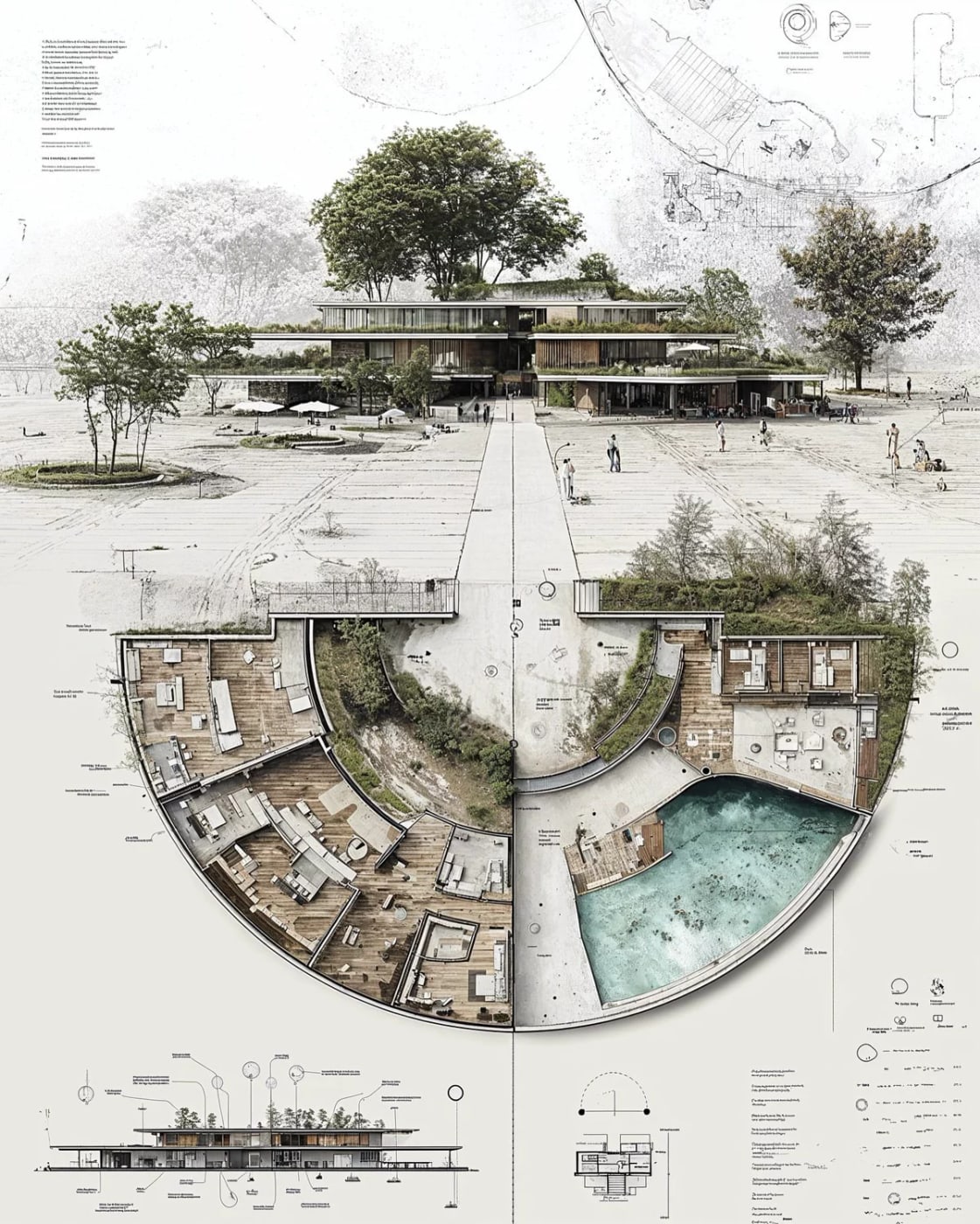
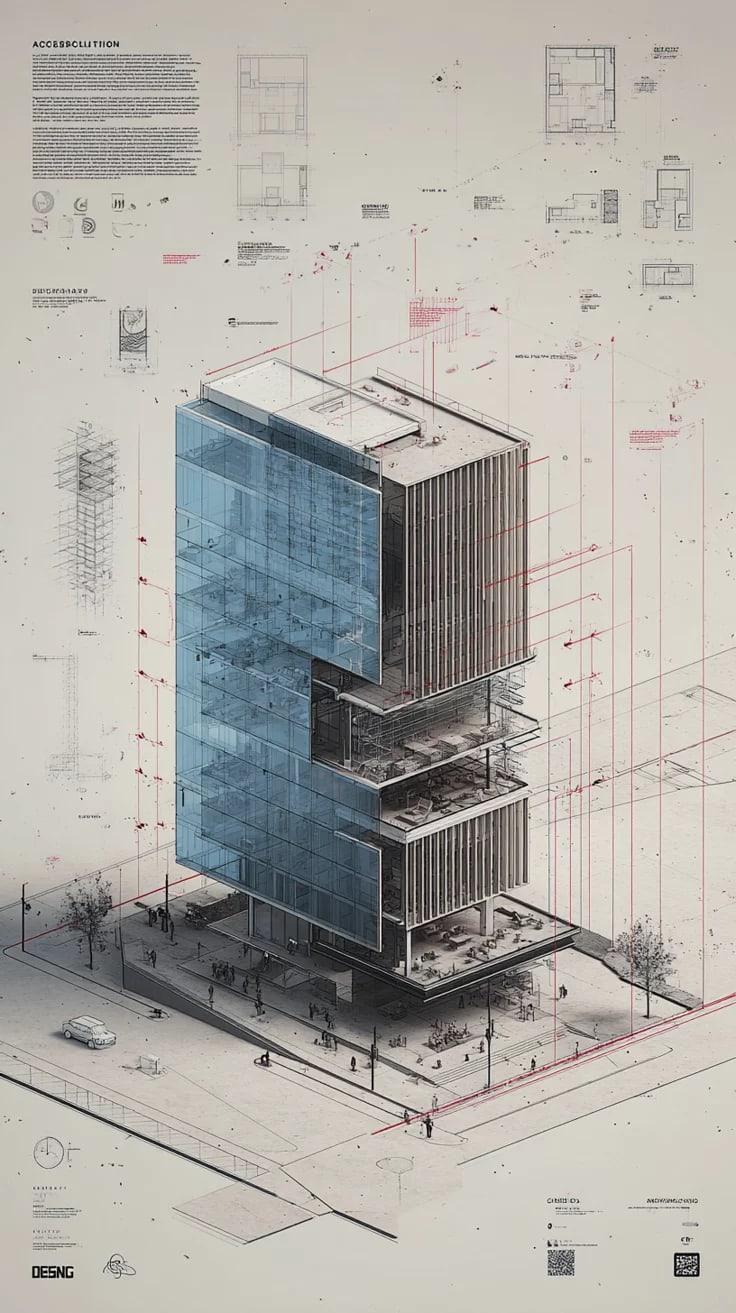
Transformation →City hubs are urban, multi-purpose spaces that bring people, projects, knowledge, culture, work and conviviality into the daily life of a city — coworking, cafés, workshop venues, makers labs, media studios, learning spaces and community salons. Some versions already exist and have been tested, including the Fvtura coworking spaces.
By day they function as work, learning and creation environments. After hours they shift into convivial spaces for dinners, talks, music, screenings and gatherings. If a hub is only a workspace it becomes transactional; if it is only social it loses operational depth. The right city hub combines productivity, culture, learning and human connection — a living interface between the layer and the everyday urban ecosystem.


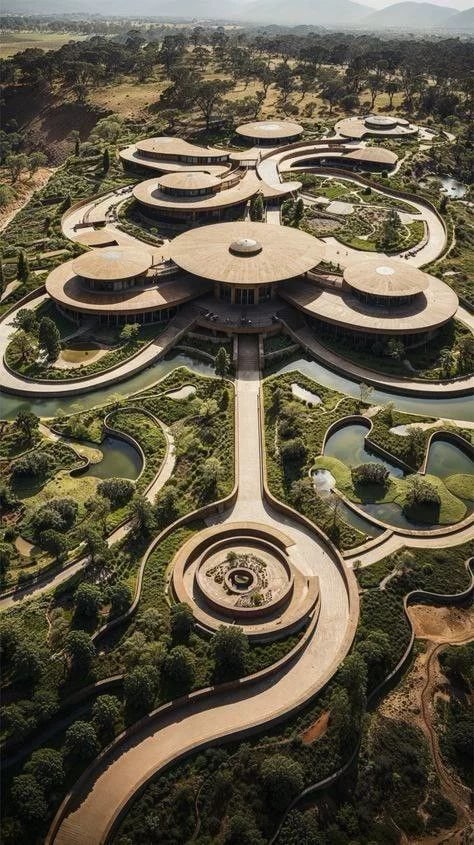
Near-city hubs sit close enough to urban centres to stay connected to economic, cultural and institutional life, but far enough to offer lower costs, more space, more nature and a healthier rhythm. They are for people who want to live, work, collaborate and build in proximity to others without the costs, fragmentation and overstimulation of major cities.
Many people working on systemic change are overextended, under-resourced or priced out of meaningful participation. Near-city hubs reduce the cost of life while raising its quality — and create the relational continuity long-term work requires. A city hub creates frequent interaction; a near-city living hub creates shared life. People who live near one another, share facilities and move through routines together build a far deeper form of trust than people who only meet at events.

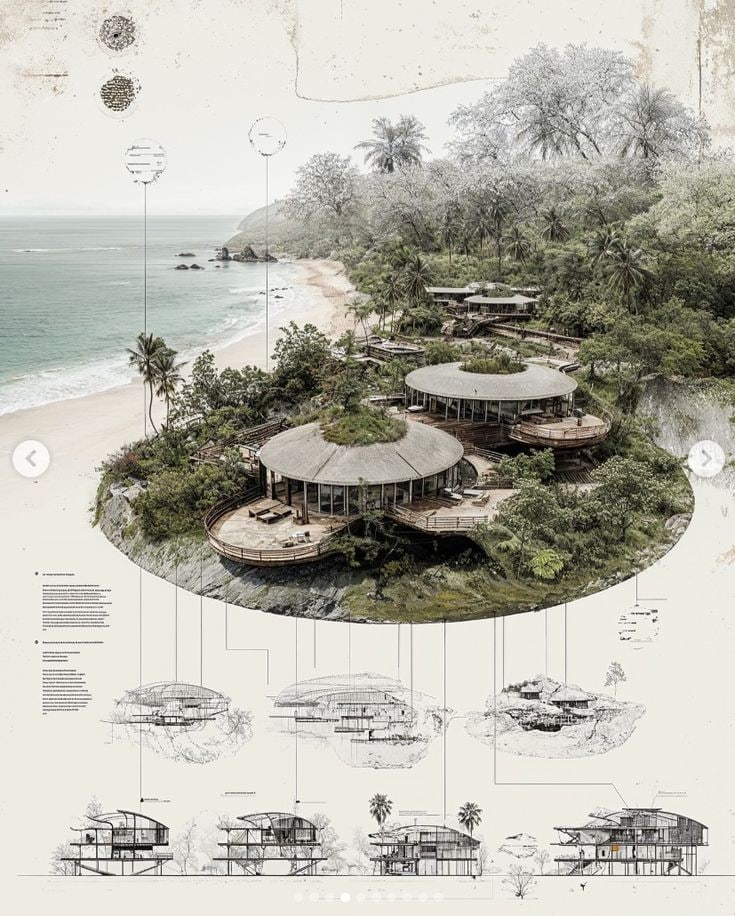
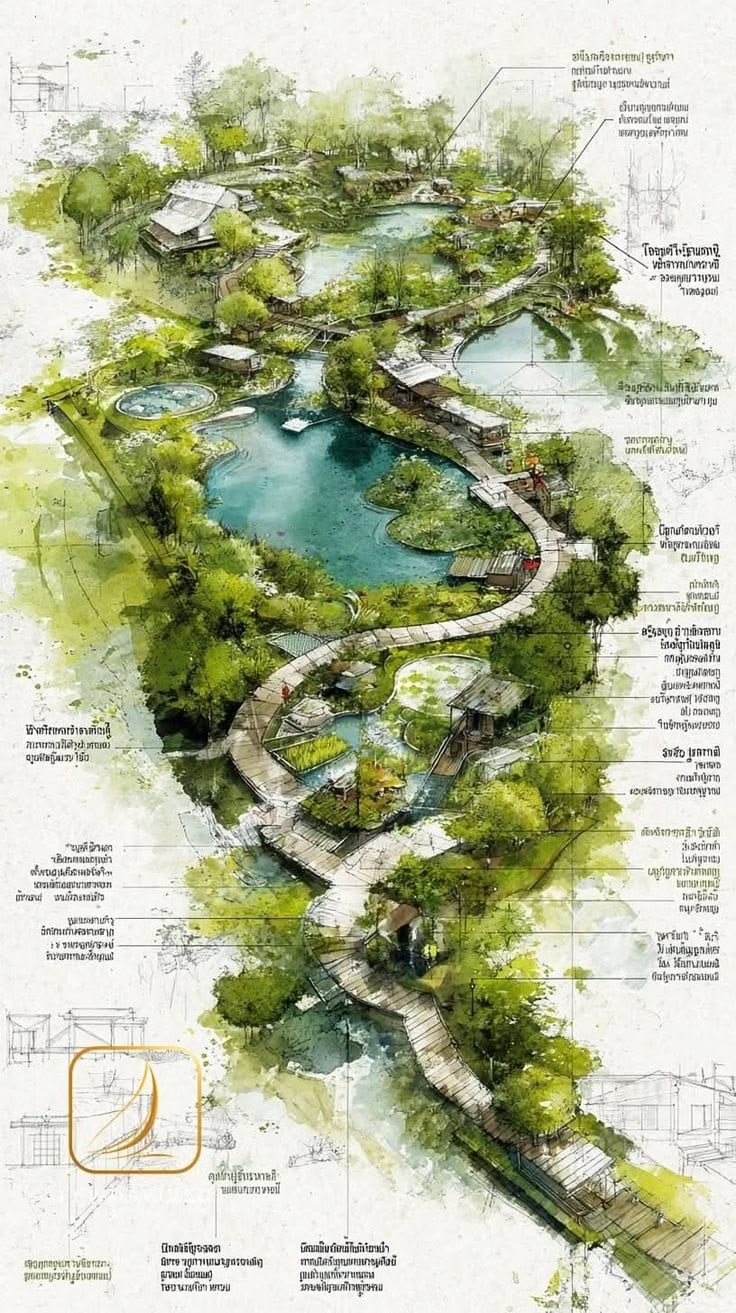
Remote hubs are spaces away from the noise, pressure and distraction of everyday life — for deep focus, retreats, residencies, research periods, founder sprints, strategic alignment, governance design, healing and intensive systems-change programs. Villa Gaia is an example of this type of hub.
Some work cannot happen in shallow attention. Certain conversations require time; certain conflicts require space; certain ideas require silence. Remote hubs let a group compress years of scattered conversation into days or weeks of concentrated trust, alignment and action — which is exactly what high-stakes coordination needs: capital deployment, coalition building, institutional design and deep systems-change work. They are not escapes from reality; they are places to step out of the noise long enough to redesign reality more intelligently.

The three hub types create a rhythm. Systems change requires different modes of being — sometimes exposure and public energy, sometimes stability and daily collaboration, sometimes silence, nature and distance. A serious coordination infrastructure supports all three.
Hubs are physical nodes connected to the rest of the Coordination Layer. People do not just meet and disappear — their work, needs, offers, insights and commitments are captured, structured and followed up.
Hubs become physical nodes on Symviosis, the Unified Data Layer, AI navigators, ecosystem maps and the Liaison System — so momentum survives after people leave the room.
They host capital-readiness sessions, investor gatherings, philanthropic retreats and vehicle-design sprints — where capital moves from abstract mandate to embodied trust and concrete action.
They create the rituals, stories, events, food and shared experiences through which a movement becomes culturally real. Culture is not built in a spreadsheet — it is built through shared space.
Hubs let people be seen over time. A deck can lie; a polished pitch can deceive — but showing up, handling friction and keeping commitments reveals reality faster than digital interaction alone.
Hubs are where trust is metabolized and care becomes practical.
The future of systems change will not be built only through online platforms, investment vehicles, conferences or reports. It will require a distributed network of physical spaces where people build enough trust, care, coherence and shared memory to coordinate at the level the challenges demand.
Hubs are where strangers become collaborators, collaborators become stewards, and stewards become capable of acting together over time. Without hubs, systems change remains too abstract. With hubs, the ecosystem gains a body.