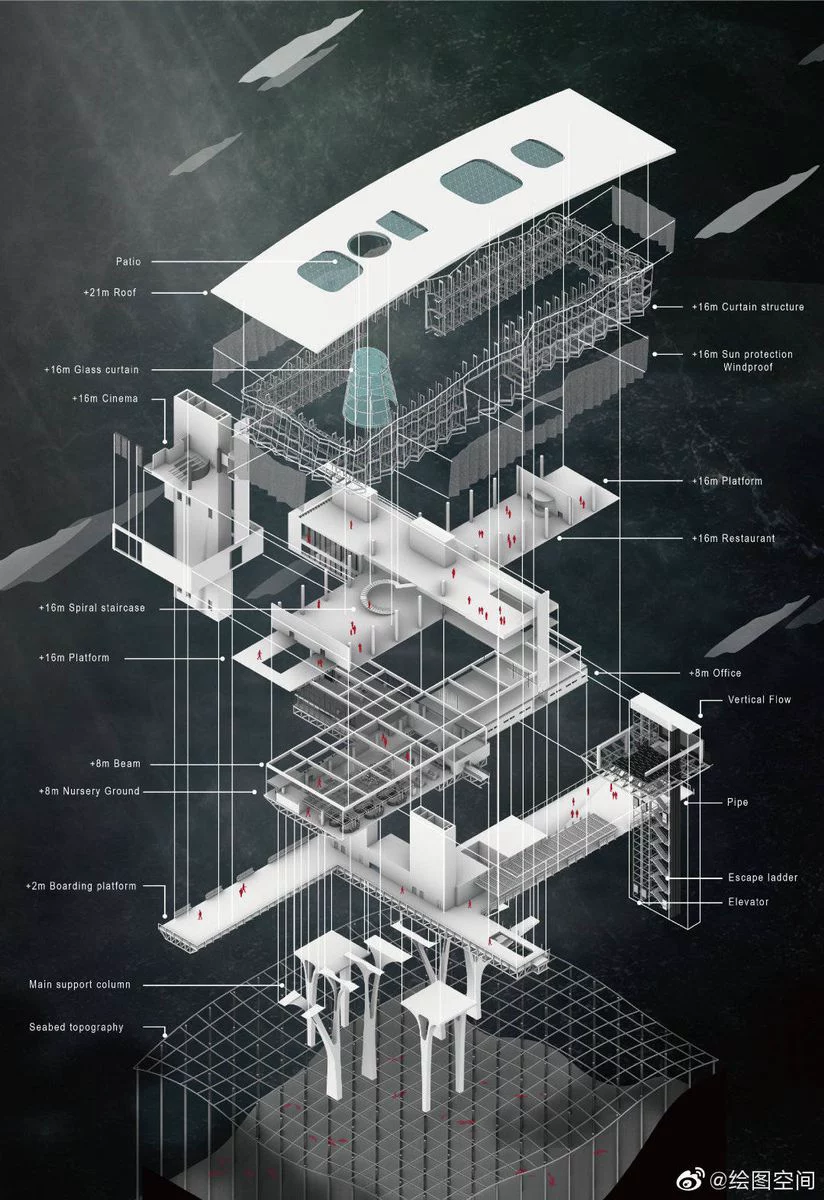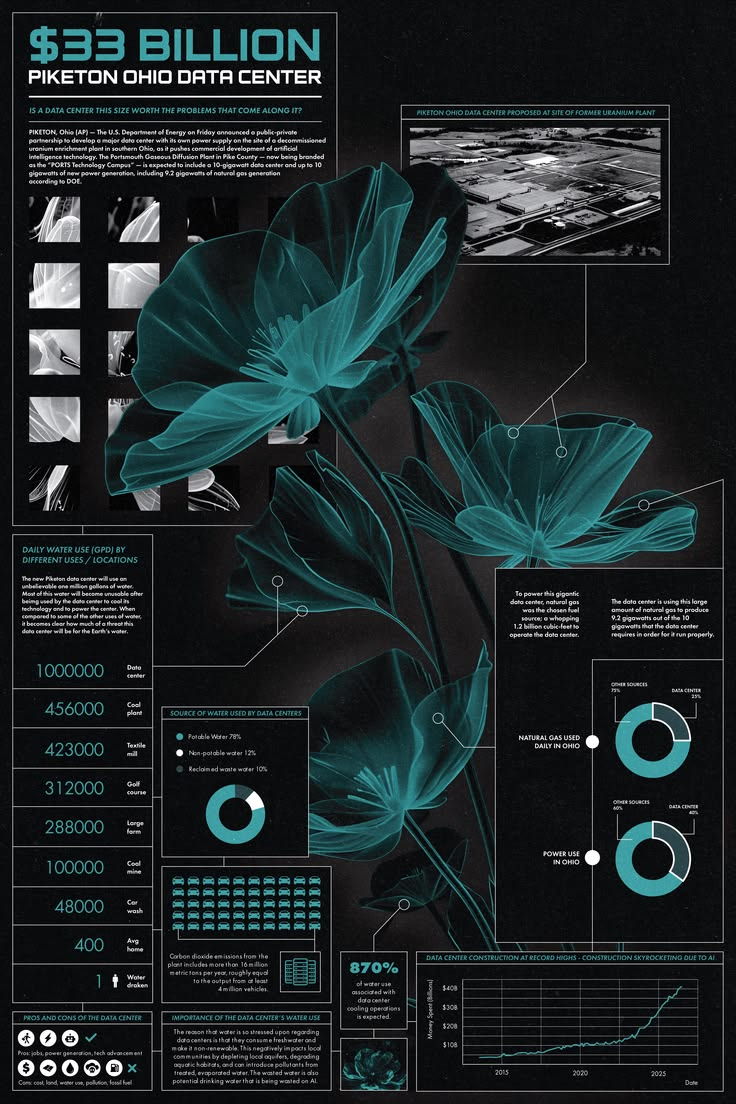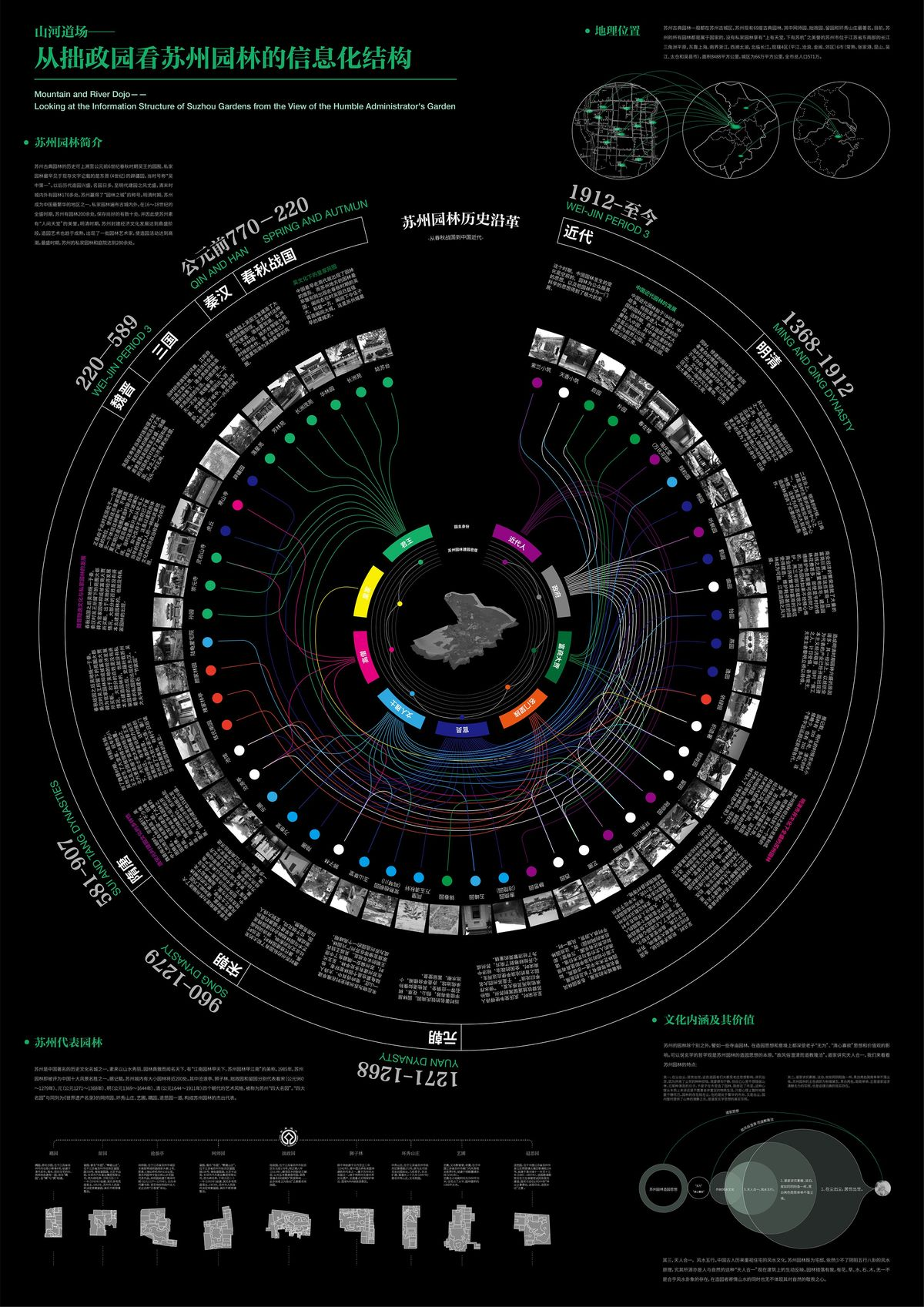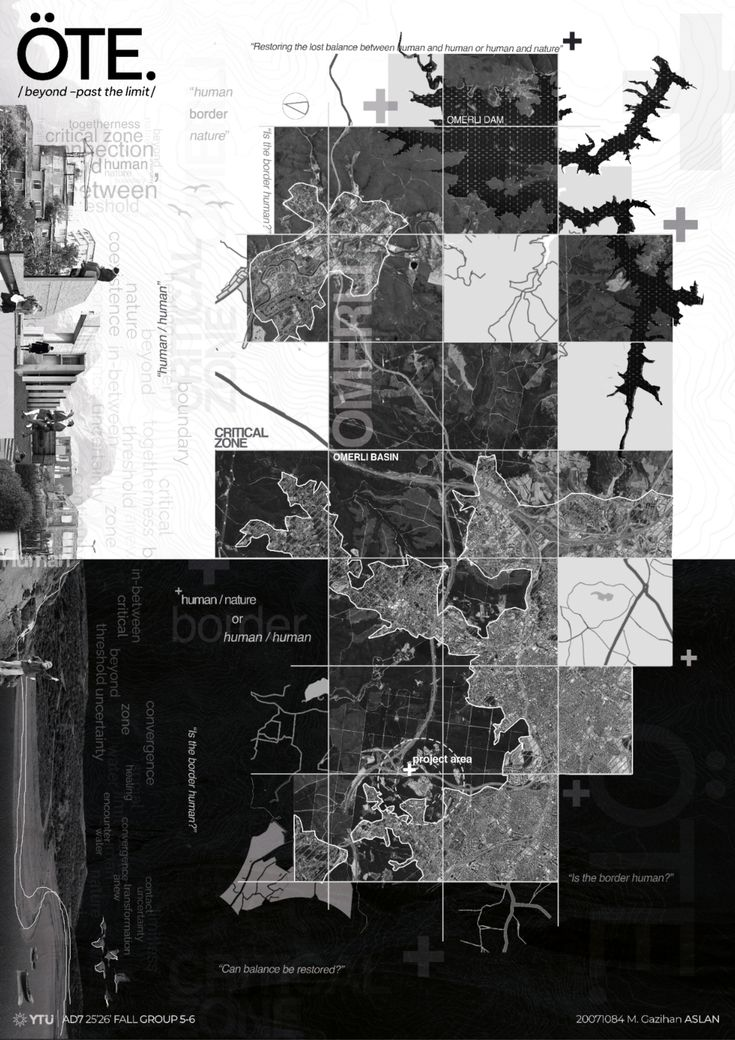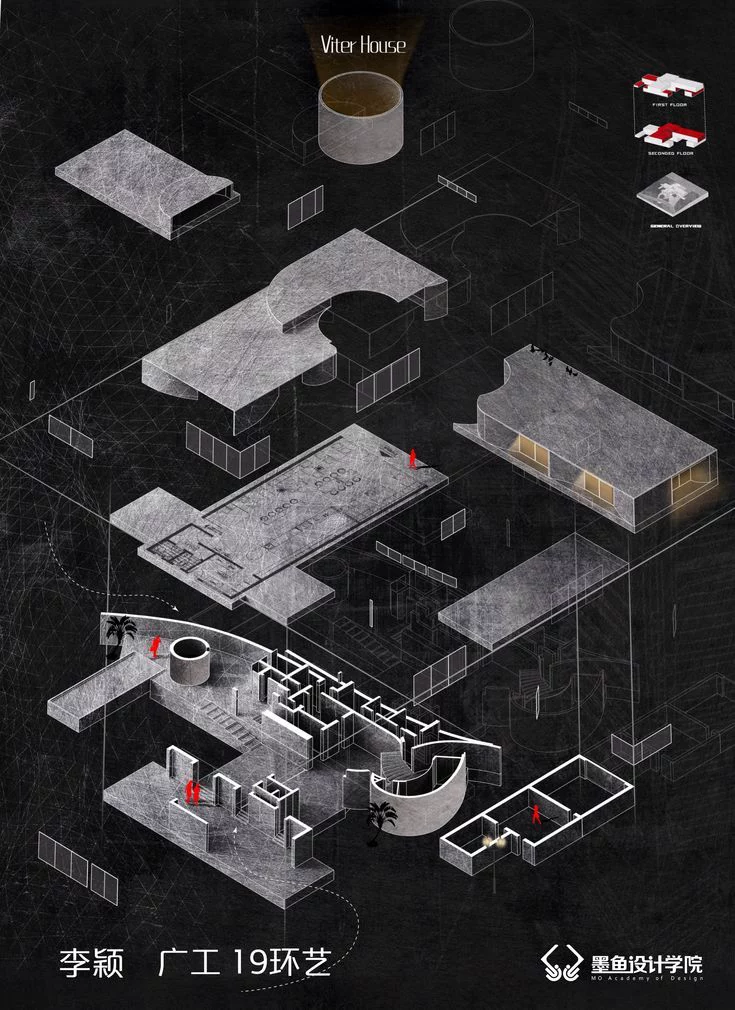
Coordination is not one product. It is a stack — physical, digital, financial and cultural — drawn here as an exploded section so each plate can be read on its own and as part of the whole.
Most attempts at coordination fail because they try to solve the whole problem with a single tool — a platform, a database, a network, a fund. The field does not need another monolith. It needs thin layers that interoperate, each doing one thing well and passing signal cleanly to the next.
The Coordination Layer separates into four planes. Pull them apart and each is legible. Set them back down and they register — the same coordinate grid runs through all four, so a person, a project or a pound of capital can move between them without translation loss.
Each layer is replaceable. None of them owns the others. The grid — shared identity, shared protocol, shared map — is what holds.

Villas, campuses, retreats, farms and regional hubs — the rooms, fields and tables where trust is actually built. Online coordination accelerates discovery, but deep alignment still happens face to face.
The physical layer turns scattered venues into a shared circuit: a hub in one region can host a residency convened through the digital layer, funded through the financial layer, and documented into the cultural layer.
Standing places for residencies, labs and long-form work.
Time-boxed gatherings for alignment and repair.
Symviosis, the Unified Data Layer and a set of AI navigators turn a fragmented field into something legible to itself — without forcing organisations into one centralised database.
Think of it as a working mechanism rather than a platform: shared profiles and a common data model feed opportunity and project signals through AI navigation, while every actor keeps sovereignty over their own data.

Asset management, community banking, blended and philanthropic capital — coordinated so money can follow the shape of a problem rather than the boundary of a single organisation.
When the financial layer reads from the same map as everyone else, allocators can see which parts of a system are starved, which are crowded, and where a small, well-placed amount moves the whole.
Philanthropic, patient and market money in one structure.
Local capital kept close to the work it funds.
Long-horizon stewardship of pooled resources.

Frameworks, theories of change, education and field-building knowledge — the layer that keeps the ecosystem from re-learning the same lessons and lets newcomers stand on what came before.
Where the digital layer makes the field visible, the cultural layer makes it legible: it holds the language, the references and the patterns that let very different actors mean the same thing by "systems change".
Enter the knowledge commons →Pulled apart, four layers. Set together, one coordinate grid — so a person, a project, or a pound of capital can move between them without losing its place.The Coordination Layer · Plate 03 · Assembly note