Detailed cutaway drawing of a complex multi-level structure
Atlas / Chapter 05 / Entry Systems
05 · Entry Points

Two ways in

The Coordination Layer should not remain a vision. The first practical ways to engage are a human–AI guide that helps you navigate the field, and a shared data layer that lets the field become visible to itself.

Plate 05.0
Liaison System
Unified Data Layer
Entry 01 · Human–AI

The Liaison System

A human–AI coordination function, stewarded at cost, that helps people and organisations stay aware, connected and strategically supported between the moments when the field gathers.

It is not a consultancy. A liaison does not sell you a strategy; it helps you see the field, share what you are working on, and reach the right people, capital and knowledge faster — impartially, on behalf of the whole ecosystem.

Positioning

The Liaison System supports the ecosystem impartially. It keeps actors connected between gatherings and translates intentions into coordinated action.

What liaisons help with
Understanding what is happening across the ecosystem
Sharing what you and your organisation are working on
Identifying relevant people and organisations
Accessing grants, funding, events and opportunities
Finding projects aligned with a mission or mandate
Mapping capital needs and collaboration needs
Helping organisations avoid duplication
IndividualsWealth allocatorsAdvisorsSMEs & enterprisesFoundationsFamily officesFundsNetworksResearch groups
Entry 02 · Shared substrate

The Unified Data Layer

Plate 05.2
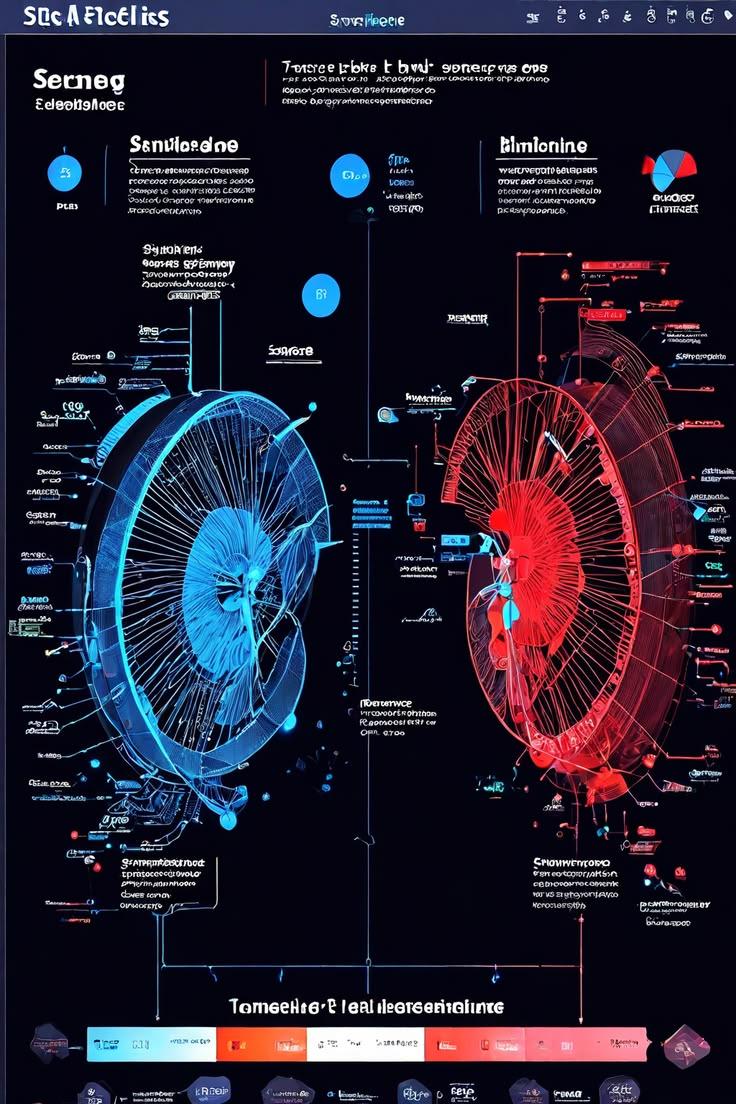
Radial diagram of a distributed information structure
Distributed contribution · shared intelligenceFIG. 05.2

The UDL lets organisations, networks, funders, events and platforms share structured information across the ecosystem — without merging into one organisation or platform.

Core principle

Data does not need to be centralised to be coordinated. Distributed actors contribute to a common intelligence layer while keeping sovereignty, privacy and contextual control.

What the UDL can map
PeopleOrganisationsProjectsCapital needsFundingGrantsEventsSkillsAssetsSpacesResearchTheories of changeImpact metricsSystems mapsOpportunitiesRisks
Read the data covenant
The promise

Data covenant

The UDL is not a data-extraction system. It is a coordination substrate built around consent, sovereignty and interoperability.

01Participants control what they share.
02Sensitive data is not made public without consent.
03Public, private and trusted-circle visibility are separated.
04Contributors are attributed.
05Data is used for coordination, not exploitation.
06No forced centralisation.
07No resale of ecosystem intelligence without clear consent.
08AI use is disclosed.
09Confidentiality boundaries are respected.
10Participants can update or remove their information.
Immediate value

What happens when you join

The answer is role-specific and immediate, not only visionary. From the first day, you are mapped into the field and connected to what is relevant to you.

As an individual

  • Mapped into the ecosystem
  • Work, needs & offers structured
  • Relevant opportunities routed to you
  • Matched to people, projects, capital, knowledge
  • Request a liaison
  • Contribute frameworks or maps

As an organisation

  • Your organisation is profiled
  • Projects & needs are mapped
  • Connect to the UDL
  • Submit opportunities
  • Reach partners, funders, experts, events
  • Become part of the ecosystem map

As a wealth allocator

  • Your mandate is mapped
  • Filtered opportunities, less noise
  • Access diligence pathways
  • Identify co-funders
  • Request field intelligence
  • Engage through liaisons, not noise
Keep reading

Adjacent chapters